
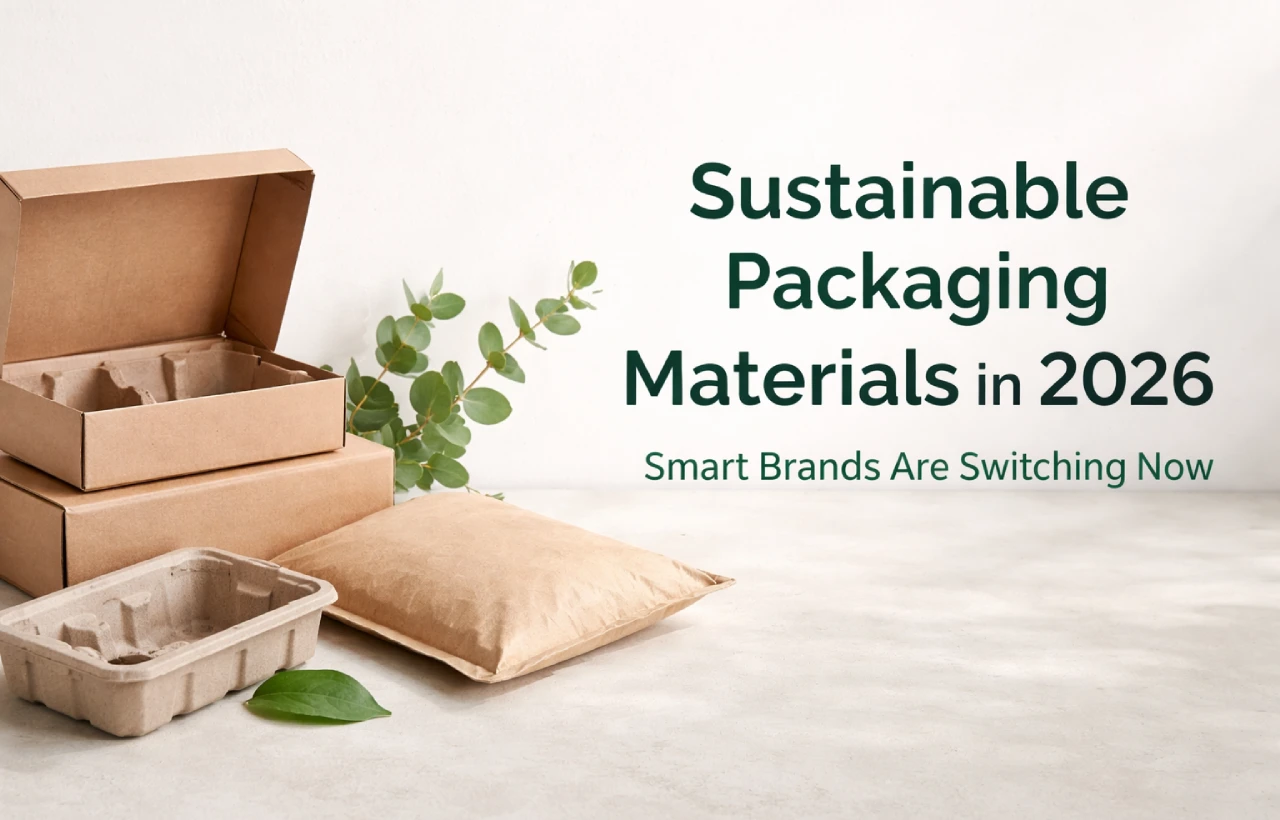
Sustainable Packaging Materials in 2026 are no longer a future idea. They are a real business need. Brands across the USA are losing money from damaged returns, high courier fees, and weak shelf appeal. Retail buyers now reject products packed in cheap plastic. Online shoppers leave bad reviews when packaging feels wasteful. Stores in states like California and New York are tightening rules. The risk is clear. Outdated packaging can cost sales, trust, and long-term growth.
Smart companies are not waiting. They are studying 2026 sustainable packaging trends and switching early. They want Eco-Friendly Packaging Materials 2026 buyers to trust. They want fewer returns, better margins, and stronger brand value. The future of the sustainable packaging industry in 2026 is about smart choices, not hype. Brands that act now build loyalty. Brands that delay struggle to catch up.
Why 2026 Is a Turning Point for Packaging
Customers are more aware than ever. They search for sustainable packaging examples before they buy. They check labels. They look for FSC-certified packaging materials that USA suppliers offer. They care about carbon-neutral packaging materials.
At the same time, new sustainable packaging regulations that USA businesses must follow are shaping decisions. Retail chains are pushing suppliers to move toward circular economy packaging solutions. This means packaging must be recyclable, reusable, or compostable.
Sustainable Packaging Materials in 2026 are not just about being “green.” They help:
- Lower shipping weight
- Reduce product damage
- Improve shelf appeal
- Build trust fast
- Meet retailer standards
That is why eco packaging alternatives to plastic are growing fast in every industry.
The Materials Brands Are Choosing Right Now
Many business owners ask about the types of sustainable packaging materials that truly work. The best sustainable packaging materials that USA brands choose are practical, strong, and cost-effective.
1. Biodegradable and Compostable Options
Biodegradable packaging materials 2026 solutions break down naturally. Compostable packaging materials for brands work well for food, cosmetics, and health products. These reduce landfill waste and improve brand image.
2. Recycled and Recyclable Materials
Recyclable packaging materials for e-commerce protect products while staying eco-safe. Recycled packaging materials suppliers USA businesses trust offer corrugated boxes, paper mailers, and inserts made from post-consumer waste.
3. Plant-Based and Bio-Based Solutions
Plant-based packaging materials 2026 options include molded pulp, kraft paper, and starch-based wraps. Bio-based packaging solutions for products reduce plastic use and support plastic-free packaging solutions.
4. Zero Waste and Minimalist Design
Zero-waste packaging materials remove excess layers. Minimalist packaging for brands uses fewer inks and simple layouts. This lowers cost and waste at the same time.
Sustainable Packaging Materials in 2026 focus on real performance, not just claims.
E-commerce Brands Can’t Ignore This Shift
Online sellers face high return rates. Poor packaging causes damage. Damage causes refunds. Refunds hurt profit.
Sustainable packaging solutions for small businesses and large e-commerce brands now combine strength and eco value. Lightweight corrugated boxes, recyclable fillers, and molded pulp inserts protect items during shipping.
Eco-friendly packaging for small business owners is now affordable. Cost-effective, sustainable packaging materials reduce shipping weight and keep customers happy.
When customers receive clean, smart packaging, they trust the brand more. That trust leads to repeat sales.
Retail Brands Are Competing on the Shelf
Retail space is crowded. Green packaging materials for retail brands stand out. Soft kraft tones, clean prints, and FSC-certified packaging materials that USA retailers prefer create a premium look.
Sustainable packaging design trends 2026 show that simple designs win. Bold logos on natural textures feel modern. Customers connect a simple design with honesty and quality.
Brands that switch to custom sustainable packaging materials for brands gain:
- Stronger visual appeal
- Better retailer approval
- Higher perceived value
- Easier compliance with sustainable packaging regulations USA
Sustainable Packaging Materials in 2026 give brands a real edge in stores.
Food and Beverage Brands Must Act Faster
Sustainable packaging for Food Products in 2026 is growing fast. Customers now expect compostable trays, plant-based wraps, and safe coatings.
Biodegradable packaging materials 2026 are ideal for bakery, chocolate, snacks, and takeaway meals. Compostable packaging materials for brands help reduce waste while keeping food fresh.
Plant-based packaging materials 2026 solutions are safe and strong. Many bio-based packaging solutions for products are tested for food contact safety.
Food brands that delay risk losing contracts with major retailers.
Cost Matters: And Sustainable Does Not Mean Expensive
Many business owners fear high costs. In reality, cost-effective sustainable packaging materials often lower total expense.
How?
- Lower shipping weight reduces courier fees
- Stronger structure reduces product damage
- Better branding increases repeat orders
- Bulk sourcing lowers unit cost
Recycled packaging materials suppliers in the USA work with companies to help reduce material waste. Smart design reduces excess layers. Zero-waste packaging materials cut unnecessary spending.
Sustainable Packaging Materials in 2026 are about smart planning, not overspending.
How to Make Packaging More Sustainable Without Disruption
Brands often ask how to make packaging more sustainable without stopping operations. The answer is simple steps:
- Audit current packaging waste
- Replace plastic fillers with recyclable options
- Switch to FSC-certified packaging materials from USA sources
- Reduce extra coatings and lamination
- Choose circular economy packaging solutions
Small changes create a big impact. Even eco packaging alternatives to plastic for one product line can improve brand image fast.
Real Sustainable Packaging Examples from the Market
Across the USA, many sustainable packaging companies that USA brands rely on are focusing on:
- Molded pulp inserts instead of foam
- Kraft rigid boxes instead of laminated plastic
- Compostable mailers for e-commerce
- Carbon-neutral packaging materials through offset programs
These sustainable packaging examples show that growth and sustainability can work together.
Why Smart Brands Are Partnering with Experts
Switching materials is not just about buying boxes. It requires testing, compliance, and smart design.
Experienced suppliers understand the sustainable packaging regulations and the USA standards. They help choose the best sustainable packaging materials that USA businesses need. They provide recyclable packaging materials for e-commerce that protect products during shipping.
YAS Packaging works with brands across the country to develop custom sustainable packaging materials for brands that match both product needs and budget. Every solution focuses on safety, strength, and clean design.
When packaging is done right, it becomes a silent salesperson.
The Future Belongs to Brands That Act Now
The future of the sustainable packaging industry in 2026 is clear. Plastic-heavy packaging is fading. Customers want zero-waste packaging materials. Retailers demand recyclable packaging materials for e-commerce and retail use. Laws are tightening.
Sustainable Packaging Materials in 2026 are about trust. They show customers that a brand cares about quality and responsibility.
Waiting means falling behind competitors already moving toward eco-friendly packaging materials 2026 buyers expect.
Smart brands are switching now because they see the bigger picture: protection, profit, and long-term growth.
If your brand wants reliable, premium, and practical solutions, now is the time to act.
Frequently Asked Questions
Q1. What are sustainable packaging materials?
They are materials that reduce waste and environmental harm. Examples include recyclable paper, compostable packaging, and plant-based solutions.
Q2. Are biodegradable packaging materials strong enough?
Yes. Modern biodegradable packaging materials 2026 options are designed to protect products during shipping and storage.
Q3. What is the difference between compostable and recyclable packaging?
Recyclable packaging can be processed and reused. Compostable packaging breaks down naturally into soil under the right conditions.
Q4. Is sustainable packaging expensive?
Not always. Cost-effective sustainable packaging materials can reduce shipping and damage costs over time.
Q5. What are FSC certified packaging materials?
They are materials sourced from responsibly managed forests, certified under global standards.
Q6. How can small businesses switch to eco friendly packaging?
Start by replacing plastic fillers with paper-based or molded pulp options. Work with experienced suppliers.
Q7. Are plant-based packaging materials safe for food?
Yes. Many plant-based packaging materials 2026 solutions meet food safety standards.
Q8. What are circular economy packaging solutions?
They are packaging systems designed to be reused, recycled, or composted to reduce waste.
Q9. Why are retailers asking for sustainable packaging?
Retailers want to meet customer demand and comply with the sustainable packaging regulations in the USA.
Q10. Can sustainable packaging improve brand value?
Yes. Customers trust brands that use eco-friendly and responsible materials.
